 delishing
How to Master the Art of the Chopped Salad: 18 Delicious Recipes for Lunch

The chopped salad is more than just a salad; it's a culinary experience. The small, uniformly sized pieces ensure that every bite is a symphony of flavors and textures, a carefully orchestrated blend of crisp vegetables, savory proteins, and tangy dressings. This method isn't just about aesthetics; it's about maximizing the surface area, allowing the dressing to coat every ingredient evenly and creating a harmonious balance that traditional salads often miss.
We're diving deep into the world of chopped salads, offering not just recipes, but a comprehensive guide to creating your own custom blends. From classic combinations to innovative flavor profiles, you'll learn the techniques and principles that elevate a simple salad into a satisfying and nutritious meal. Get ready to transform your lunch routine!
Understanding Your Greens (and More!)
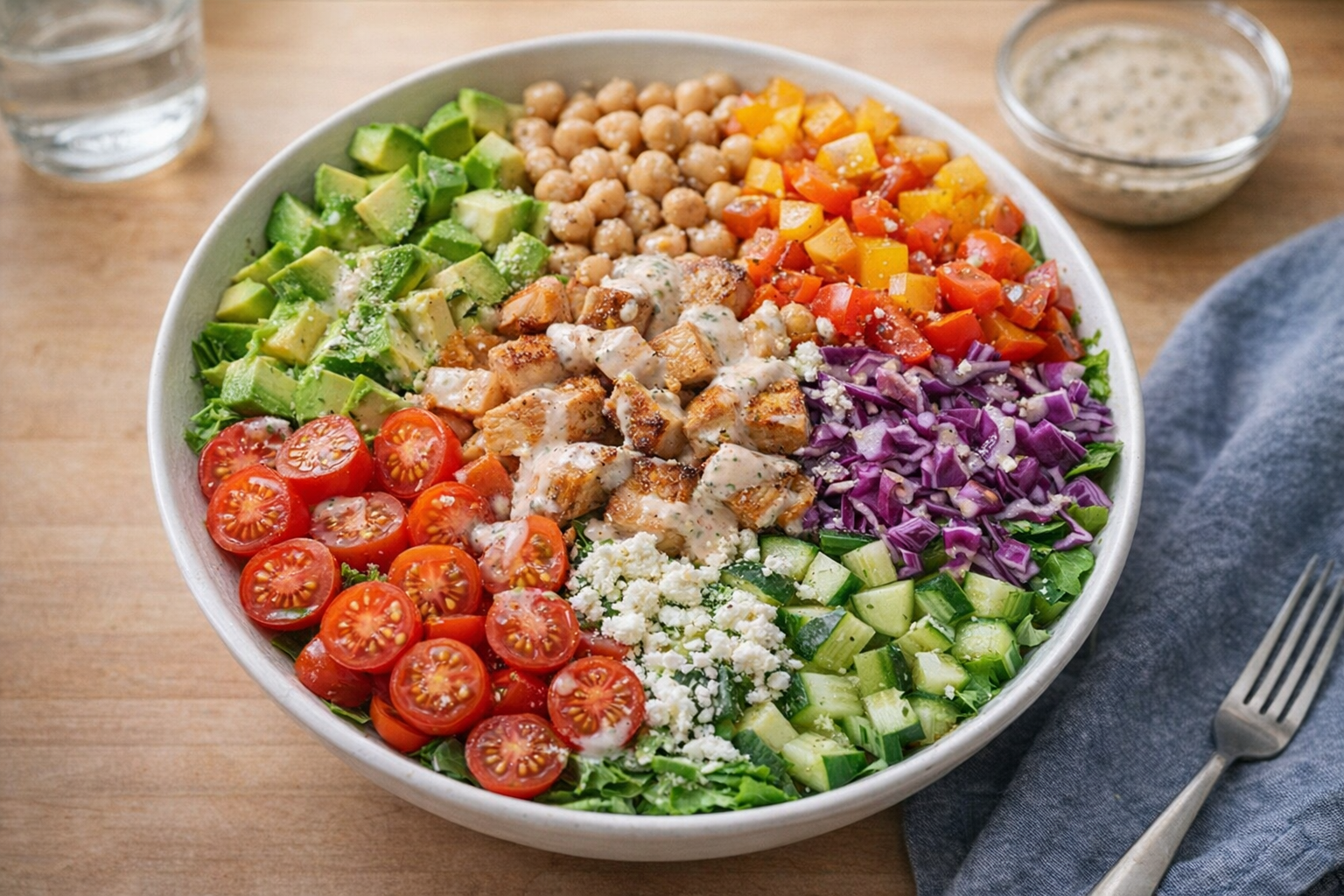
While lettuce often forms the base, the beauty of a chopped salad lies in its versatility. Consider these elements when building your salad:
- Lettuce: Romaine provides a crisp, sturdy base, while butter lettuce offers a softer, more delicate texture. Mixed greens add variety, and spinach brings a boost of nutrients.
- Vegetables: The possibilities are endless! Tomatoes, cucumbers, bell peppers, red onions, and carrots add color, flavor, and crunch.
- Proteins: Grilled chicken, chickpeas, hard-boiled eggs, cheese, bacon, salami and shrimp will transform your salad into a meal.
- Dressings: From creamy ranch to tangy vinaigrettes, the dressing ties everything together. Consider the overall flavor profile of your salad when choosing a dressing.
What to buy: Opt for fresh, high-quality ingredients. Choose crisp, vibrant lettuce, firm vegetables, and proteins that are properly stored and handled. Read labels carefully to avoid unnecessary additives in dressings.
Why Cook (Assemble!) Chopped Salads This Way?
- Versatility: Adaptable to any cuisine or dietary preference, from Mediterranean to Asian-inspired.
- Flavor: The uniform size of the ingredients ensures a consistent flavor profile in every bite.
- Convenience: Quick to prepare, especially if you prep ingredients in advance.
Preparation (Mise en Place)
- Washing and Drying: Thoroughly wash all vegetables and lettuce. Use a salad spinner to remove excess water, as this will prevent the dressing from becoming diluted.
- Protein Prep: Cook your chosen protein (chicken, shrimp, etc.) ahead of time and allow it to cool completely. This will prevent it from wilting the lettuce.
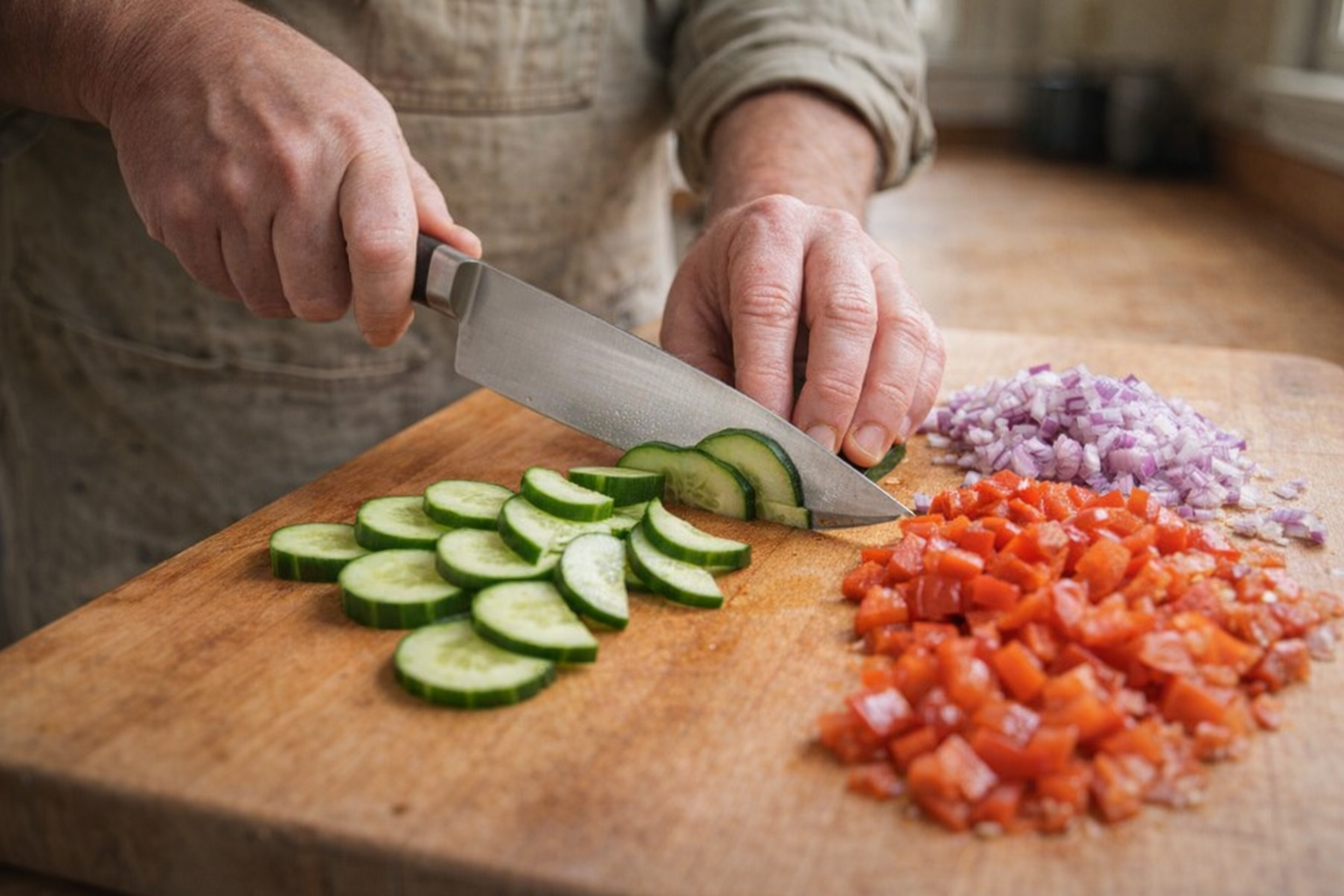
- Chopping: The key to a great chopped salad is uniform size. Aim for pieces that are roughly the same size, about 1/4 to 1/2 inch. This ensures a consistent texture and flavor in every bite.
- Dressing: Prepare your dressing in advance. This allows the flavors to meld together.
Essential Tools
- Chef's Knife: A sharp chef's knife is essential for efficient and precise chopping.
- Cutting Board: Use a large cutting board to provide ample space for chopping.
- Salad Spinner: A salad spinner is crucial for removing excess water from lettuce and vegetables.
- Mixing Bowls: Use large mixing bowls to toss the salad ingredients together.
The Cooking Method(s): Assembling Your Masterpiece
Here are a few ideas on how to make a chopped salad.
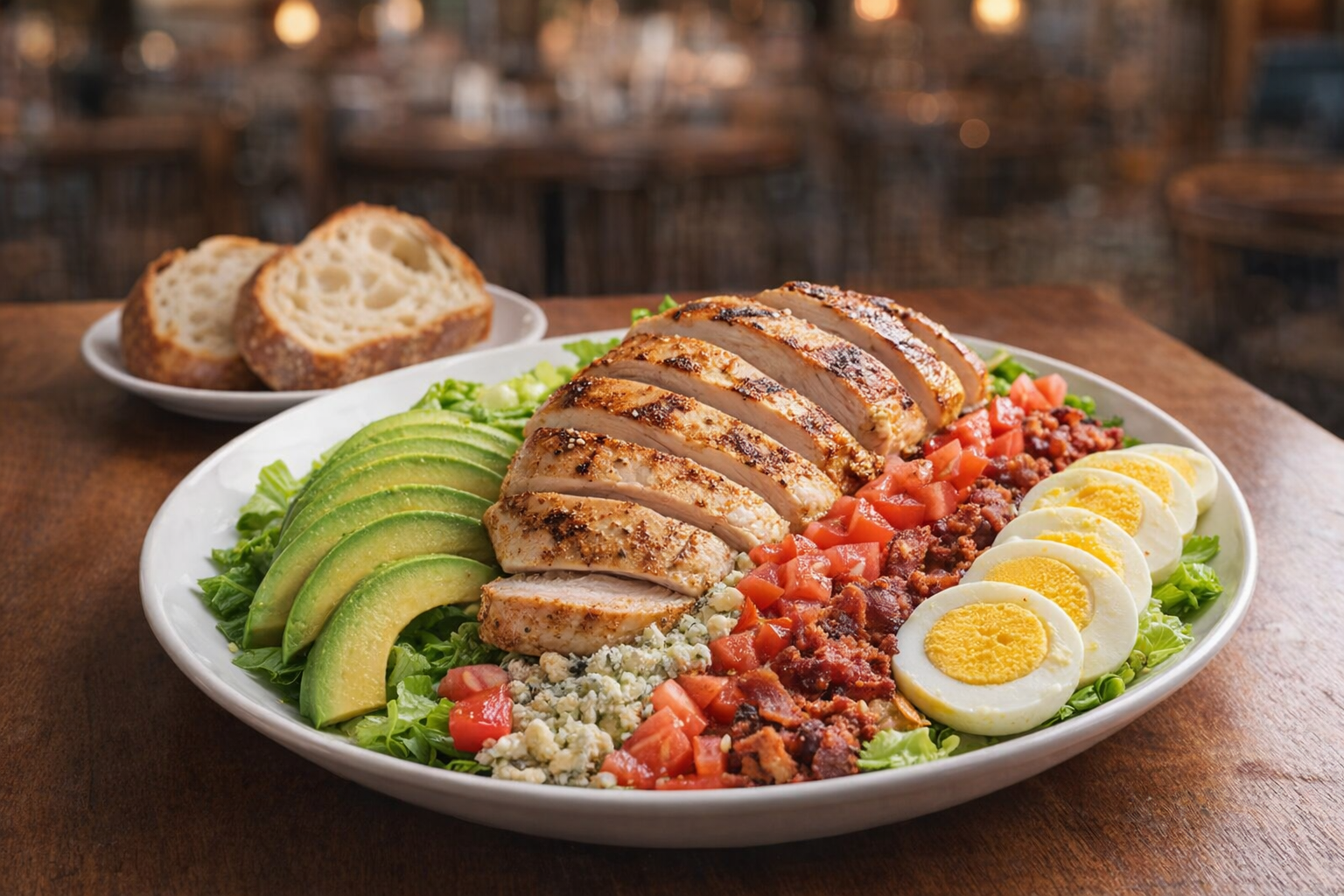
Method 1: Classic Cobb Salad
Ingredients:
- 4 cups chopped romaine lettuce
- 1 cup diced cooked chicken breast (150g)
- 1/2 cup cooked, crumbled bacon (75g)
- 2 hard-boiled eggs, chopped
- 1 avocado, diced
- 1/2 cup chopped tomatoes (75g)
- 1/4 cup crumbled blue cheese (30g)
- 1/4 cup red wine vinaigrette (60ml)
- Line a large bowl or platter with chopped romaine lettuce. The crisp, slightly bitter romaine provides a sturdy and refreshing base.
- Arrange the diced chicken breast over the lettuce. Ensure the chicken is cooled to prevent wilting the lettuce.
- Sprinkle the crumbled bacon over the chicken. The smoky, salty bacon adds a delightful contrast to the other ingredients. The sound of crumbling the bacon should be satisfying.
- Scatter the chopped hard-boiled eggs over the bacon. The eggs provide a creamy richness to the salad.
- Add the diced avocado and chopped tomatoes. The creamy avocado and juicy tomatoes offer a refreshing and contrasting texture. The bright colors of the avocado and tomatoes should enhance the visual appeal.
- Sprinkle the crumbled blue cheese over the salad. The pungent blue cheese adds a sharp and tangy flavor.
- Drizzle the red wine vinaigrette over the salad just before serving. The vinaigrette should coat all ingredients evenly, enhancing their flavors.
Method 2: Mediterranean Chickpea Salad
Ingredients:
- 2 cups chopped cucumber (300g)
- 1 cup halved cherry tomatoes (150g)
- 1/2 cup finely chopped red onion (75g)
- 1 bell pepper, diced
- 1 (15-ounce) can chickpeas, rinsed and drained (425g)
- 1/4 cup olive oil (60ml)
- 2 tablespoons lemon juice (30ml)
- 1 clove garlic, minced
- 2 tablespoons chopped fresh parsley or oregano
- Salt and pepper to taste
- In a large bowl, combine the chopped cucumber, halved cherry tomatoes, finely chopped red onion, and diced bell pepper. The variety of colors and textures should be appealing.
- Add the chickpeas to the bowl. Ensure the chickpeas are well-drained to prevent the salad from becoming soggy.
- In a small bowl, whisk together the olive oil, lemon juice, minced garlic, and chopped fresh parsley or oregano. The aroma of the herbs should be fragrant.
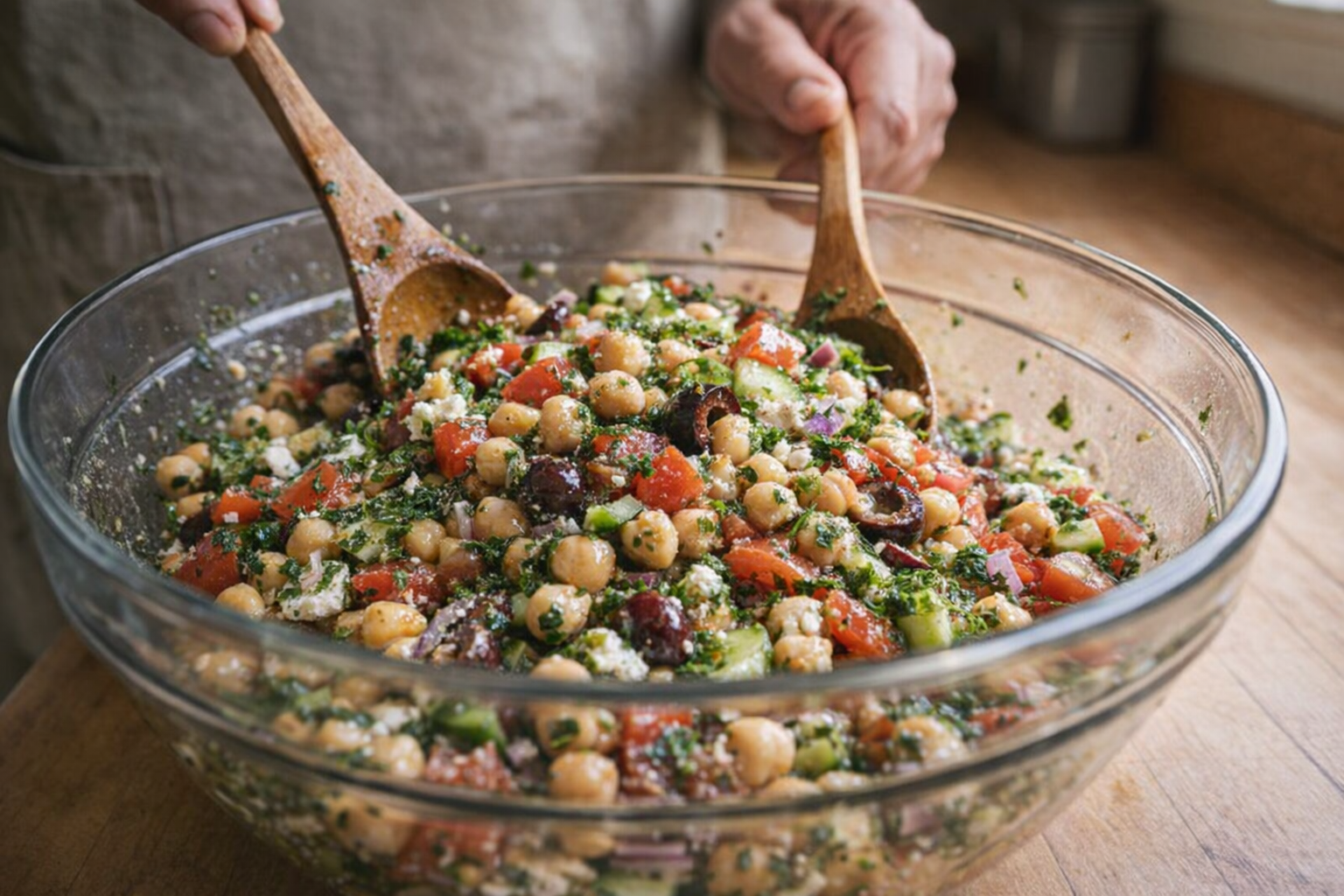
- Pour the dressing over the salad and toss gently to combine. The dressing should coat all ingredients evenly.
- Season with salt and pepper to taste. Adjust the seasoning to your preference. The salad should have a balanced flavor profile.
Method 3: Taco Salad
Ingredients:
- 1 pound ground beef (450g)
- 1 packet taco seasoning (follow packet instructions)
- 4 cups shredded lettuce
- 1 cup chopped tomatoes
- 1 cup shredded cheese
- 1 cup beans
- Sour cream
- Salsa
- Tortilla chips, crushed
- Cook the ground beef with taco seasoning. Drain off any excess fat. The aroma should be rich with spices.
- Assemble the salad by layering lettuce, meat, beans, shredded cheese, and sliced tomatoes.
- Top with sour cream and salsa.
- Sprinkle with crushed tortilla chips.
Cooking Time & Doneness Guide:
- Chopped salads don't require "cooking" in the traditional sense, but proper preparation is key.
- Ensure proteins are fully cooked before adding them to the salad. Use a meat thermometer to verify internal temperatures (e.g., chicken to 165°F/74°C).
- Taste the dressing and adjust seasonings as needed.
Visual Cues
- Lettuce should be crisp and vibrant, not wilted or soggy.
- Vegetables should be firm and brightly colored.
- The dressing should coat all ingredients evenly.
Tips for Perfection:
- Don't Overdress: Add dressing gradually to avoid a soggy salad.
- Chop Smart: Consistent chopping ensures even flavor distribution.
- Chill for Flavor: Allowing the salad to chill for 15-20 minutes before serving enhances the flavors.
- Customize: Feel free to substitute ingredients based on your preferences and what's in season.
Storage & Reheating:
- Store undressed salad ingredients separately in airtight containers in the refrigerator for up to 3 days.
- Store dressing separately in an airtight container in the refrigerator for up to 5 days.
- Combine the ingredients and dressing just before serving.
- Reheating is not recommended, as the lettuce will wilt.
Serving Suggestions:
- As a main course: Serve a large portion of chopped salad with a side of crusty bread.
- As a side dish: Serve a smaller portion of chopped salad alongside grilled chicken, fish, or steak.
- In a wrap: Spoon chopped salad into a whole-wheat wrap for a quick and easy lunch.
- As a topping: Use chopped salad as a topping for grilled pizza or bruschetta.
💡 Pro Tips
- Don't overdress the salad. Start with a small amount of dressing and add more as needed to avoid a soggy salad.
- Consider adding toasted nuts or seeds for extra crunch and flavor.
- Experiment with different herbs and spices to create unique flavor combinations.
- For best results, use a sharp knife to chop the vegetables. A dull knife can crush the vegetables and release excess moisture.
- Prep the components separately and assemble the salad just before serving to maintain freshness.
Frequently Asked Questions
While some components can be prepped in advance (chopping vegetables, cooking protein, making dressing), it's best to assemble the salad just before serving. This prevents the lettuce from wilting and the salad from becoming soggy. If you must prepare ahead, keep the dressing separate and add it right before serving.
Leftover chopped salad is best stored in an airtight container in the refrigerator. However, keep in mind that the lettuce may wilt and the ingredients may become less crisp over time. It's best to consume leftover salad within 1-2 days for optimal quality. Store the dressing separately to prevent sogginess.
While fresh vegetables are ideal for chopped salads due to their crisp texture, you can use frozen vegetables if necessary. Be sure to thaw them completely and drain any excess water before adding them to the salad. Some frozen vegetables, like peas or corn, work better than others. Avoid using frozen lettuce or leafy greens as they will become mushy when thawed.
A salad spinner is ideal for removing excess water from lettuce and vegetables, but you can still achieve similar results without one. After washing your greens, gently pat them dry with clean paper towels or a clean kitchen towel. Spread the greens out on the towel and roll it up, then gently press to absorb the water. Repeat as needed until the greens are relatively dry.